Motor Skills Development
The foundation. At these ages the nervous system matures rapidly and the window for coordination abilities is wide open — miss it, and it never reopens quite so easily.
Athlete & Talent Development · Athens
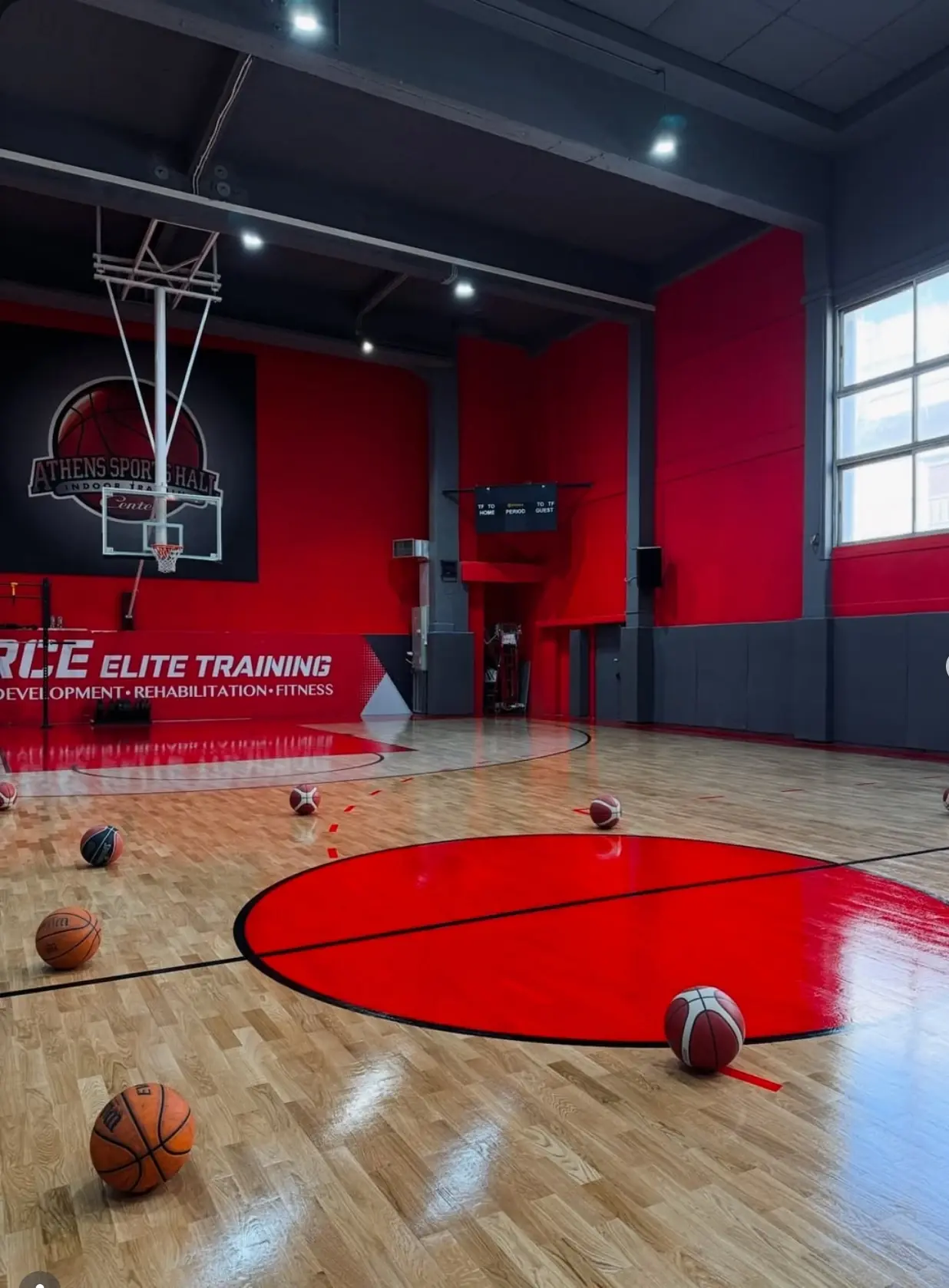
Athens Sports Hall is an indoor training centre built for one thing: developing the basketball player. A long-term, scientifically structured program that follows the athlete from their first steps to the professional floor.
The approach
Athletic excellence is not a moment — it is a process. It takes at least a decade of targeted practice, more than 6,000 hours of work, typically starting around the age of 12 or 13. What separates elite athletes in the end is not only genetics: it is the learning environment they grew up in.
That is exactly what we invest in. A space designed for individual work, coaches who understand what each age demands, and a plan that never skips a stage just to impress early.
The training program
Every age has its own learning window. Our planning follows the athlete's biological maturation, not their date of birth — because between 12 and 16 the gap between biological and chronological age can reach four years.
The foundation. At these ages the nervous system matures rapidly and the window for coordination abilities is wide open — miss it, and it never reopens quite so easily.
The athlete starts to take shape. Technique becomes specific, physical abilities gain direction, and the athlete enters Basketball Personal Training and Force Elite Training.
The conditional stage. Entry follows an assessment and an interview, and requires commitment from the athlete and their family. In return, the athlete gains a complete support team.
For the professional. The work is organised around the annual cycle: pre-season, competitive season, transition period — each with different goals.
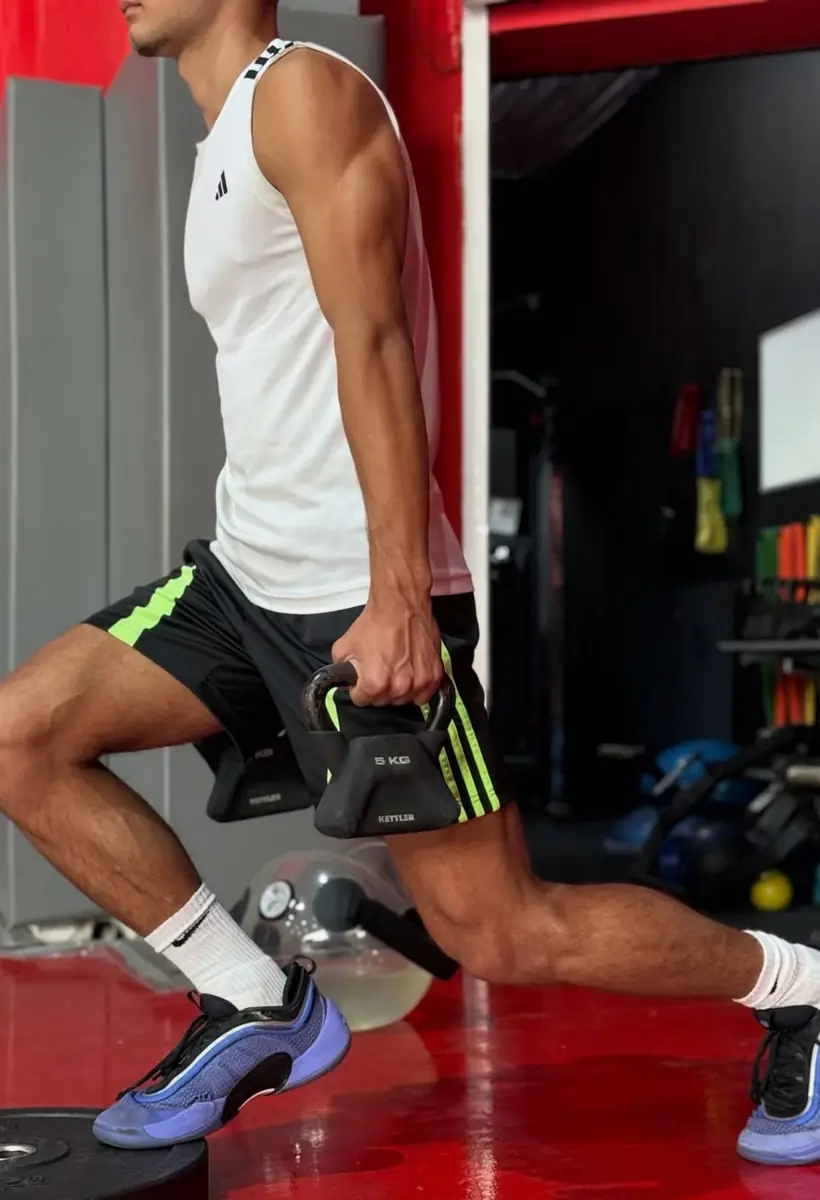
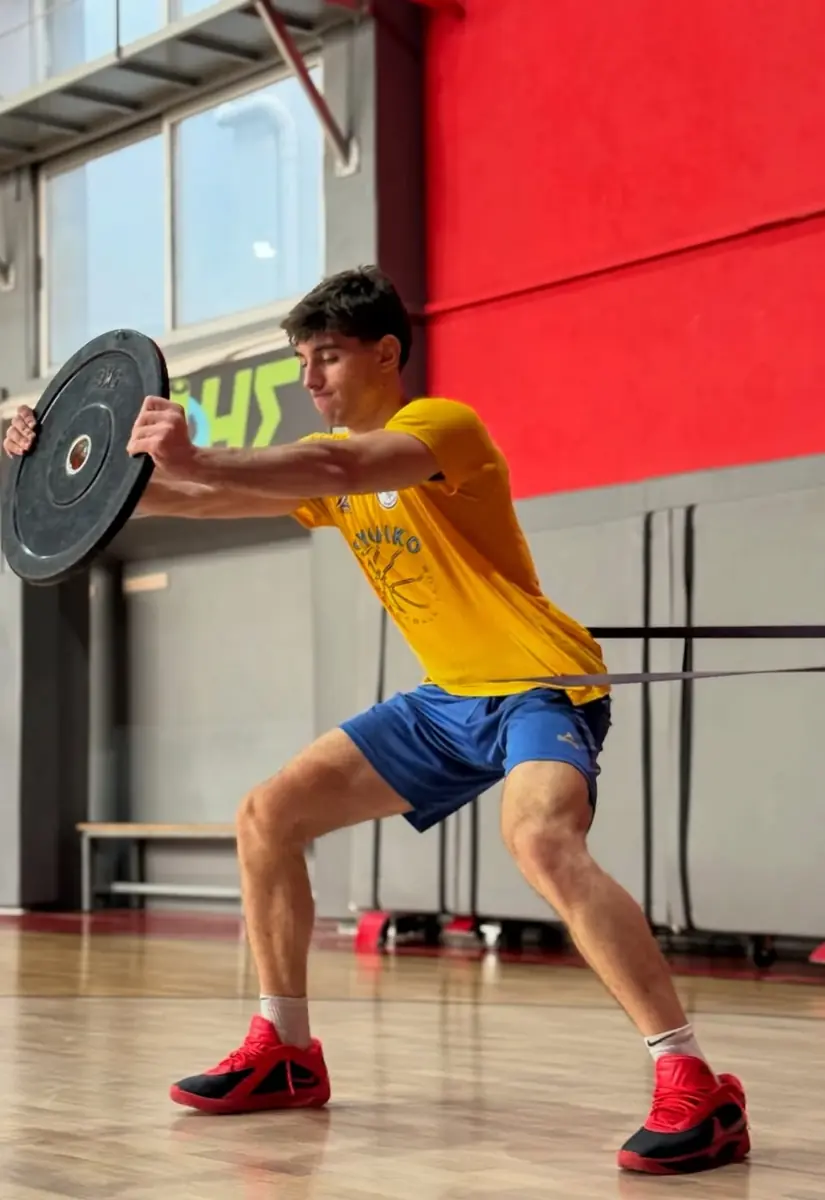
Force Elite Training
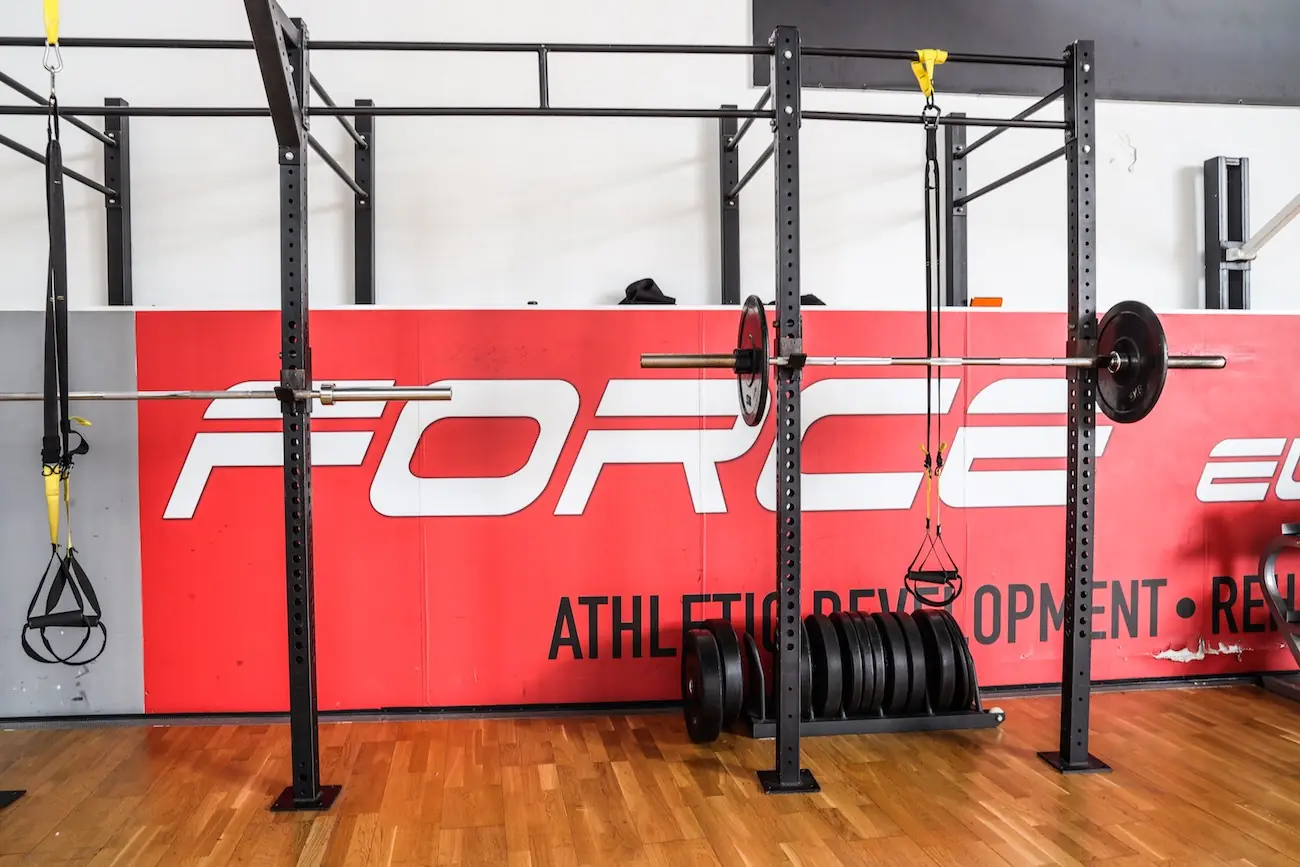
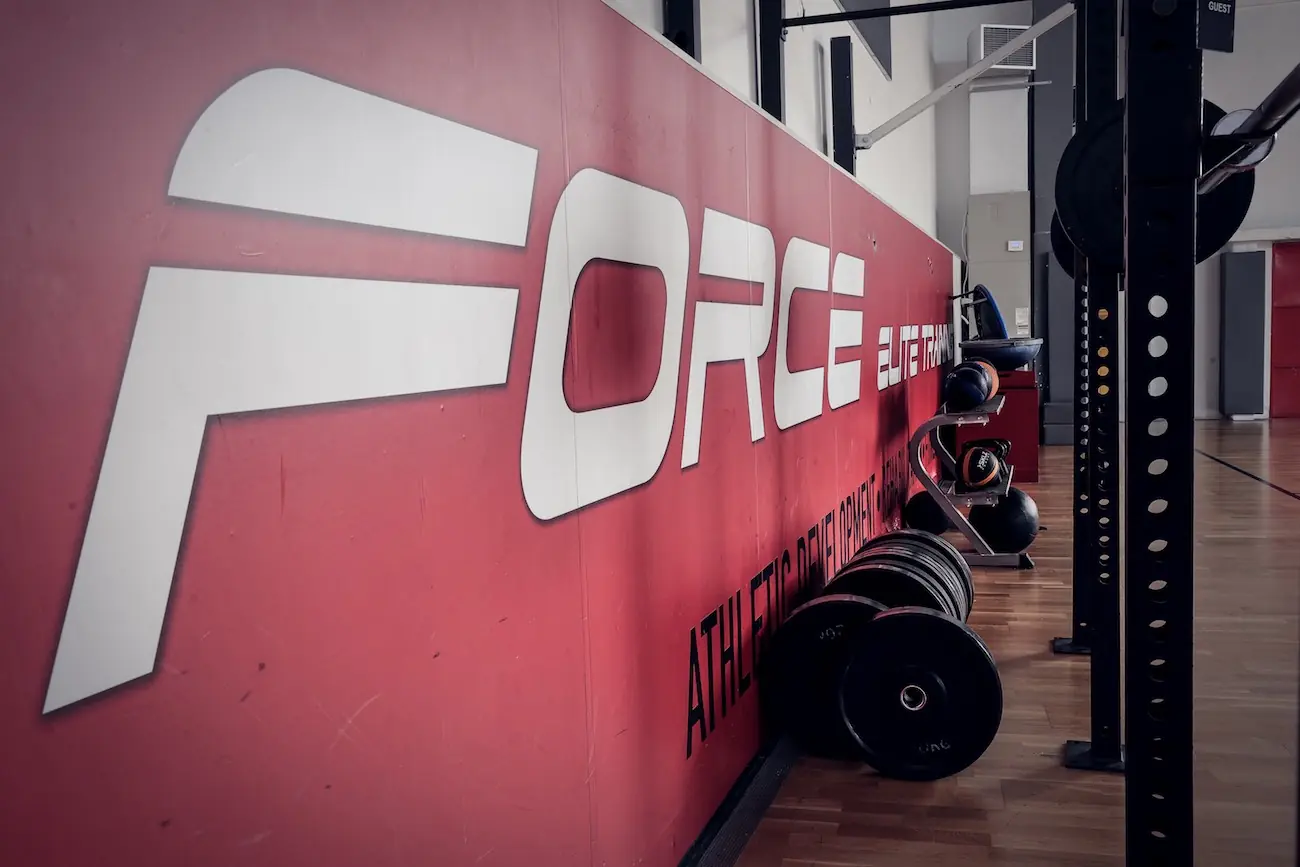
Force Elite Training is the physical conditioning arm of Athens Sports Hall: athletic development, rehabilitation and fitness under the same roof as the court.
The athlete does not move between buildings and philosophies. The strength coach, the skills coach and the support team all see the same athlete, on the same day, working from the same data.
The facilities
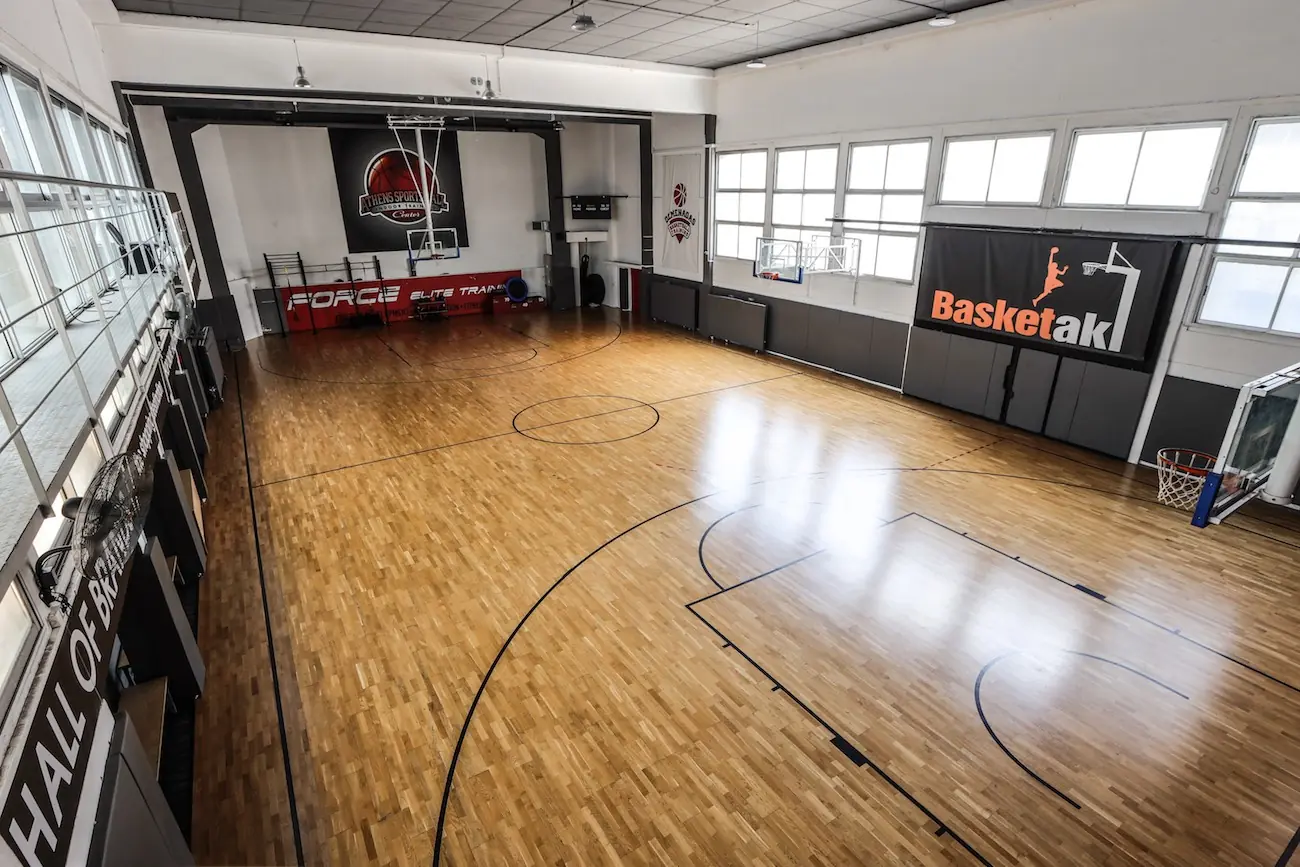
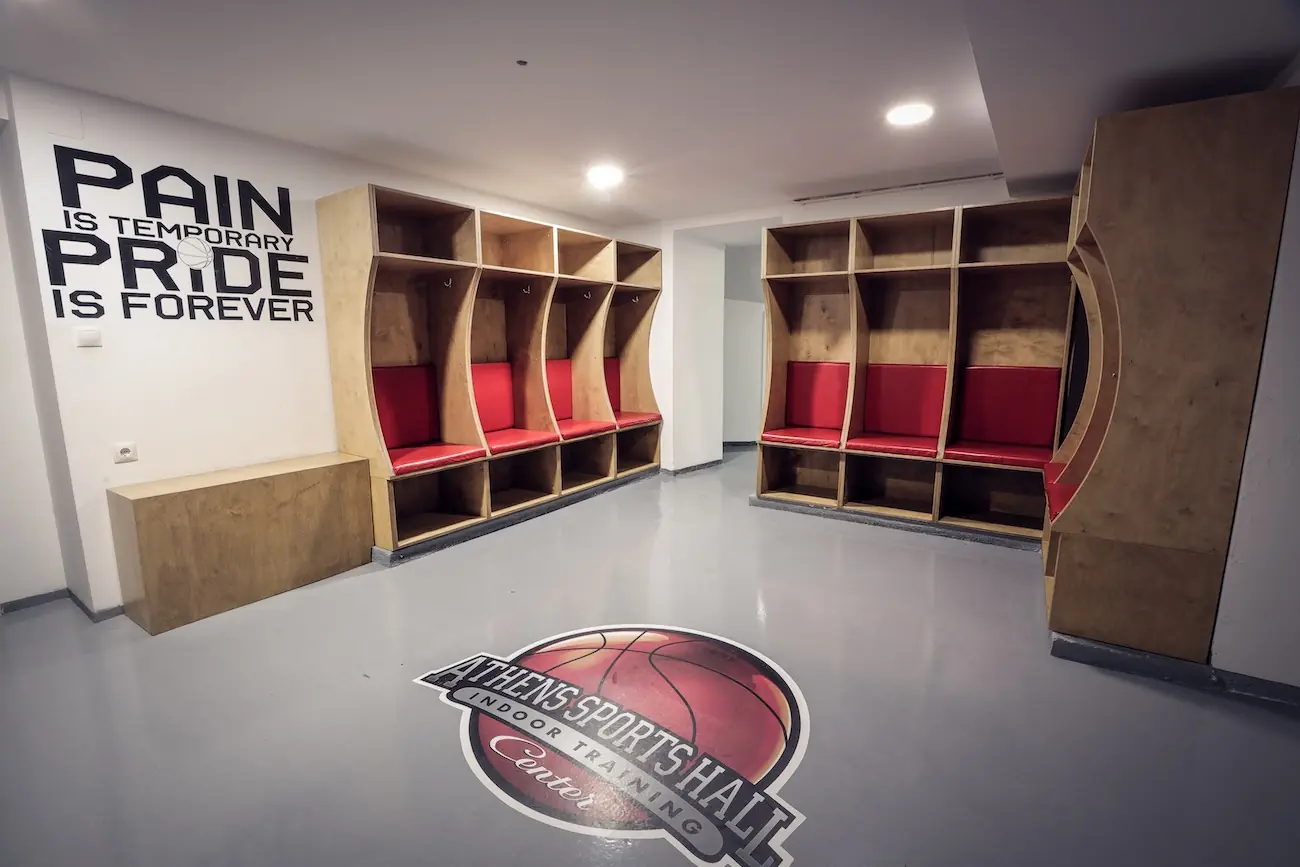
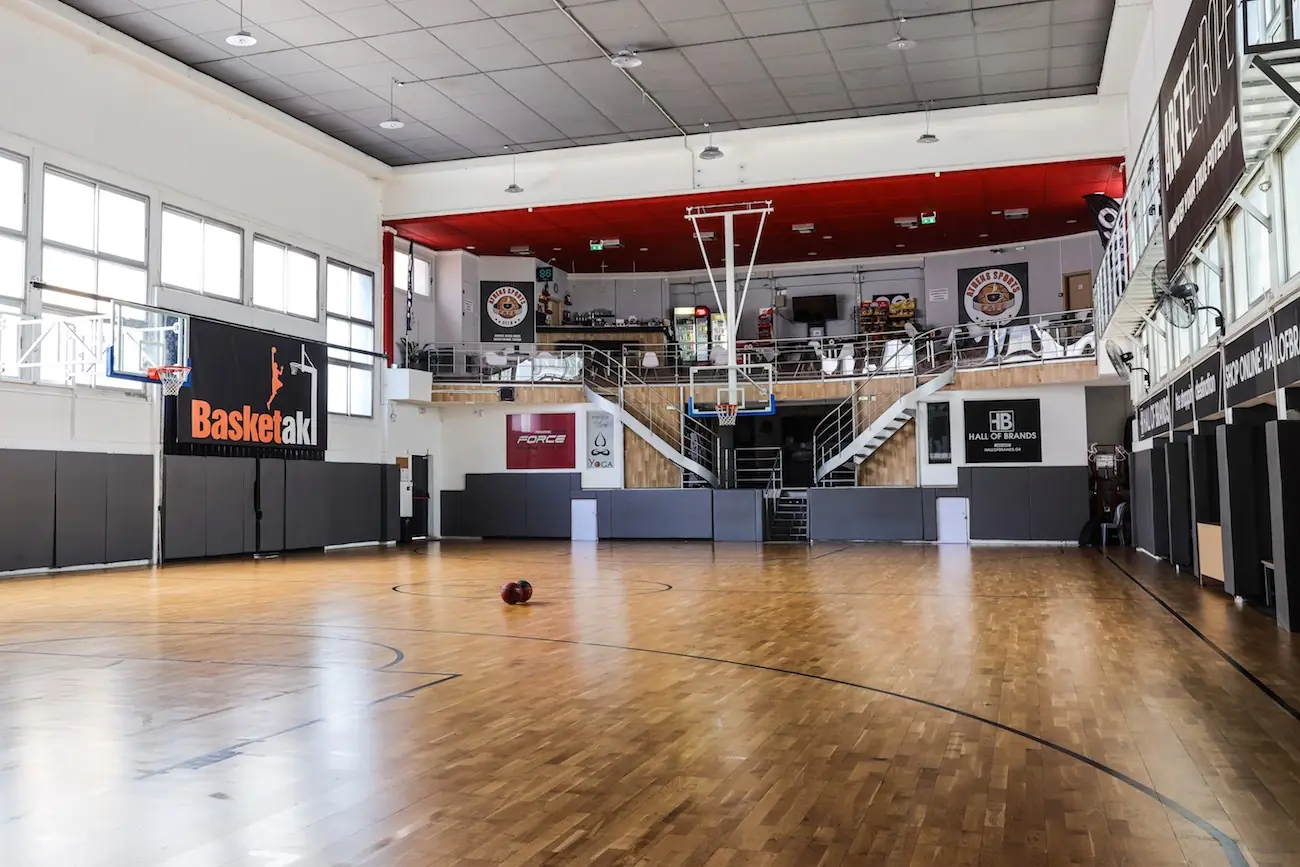
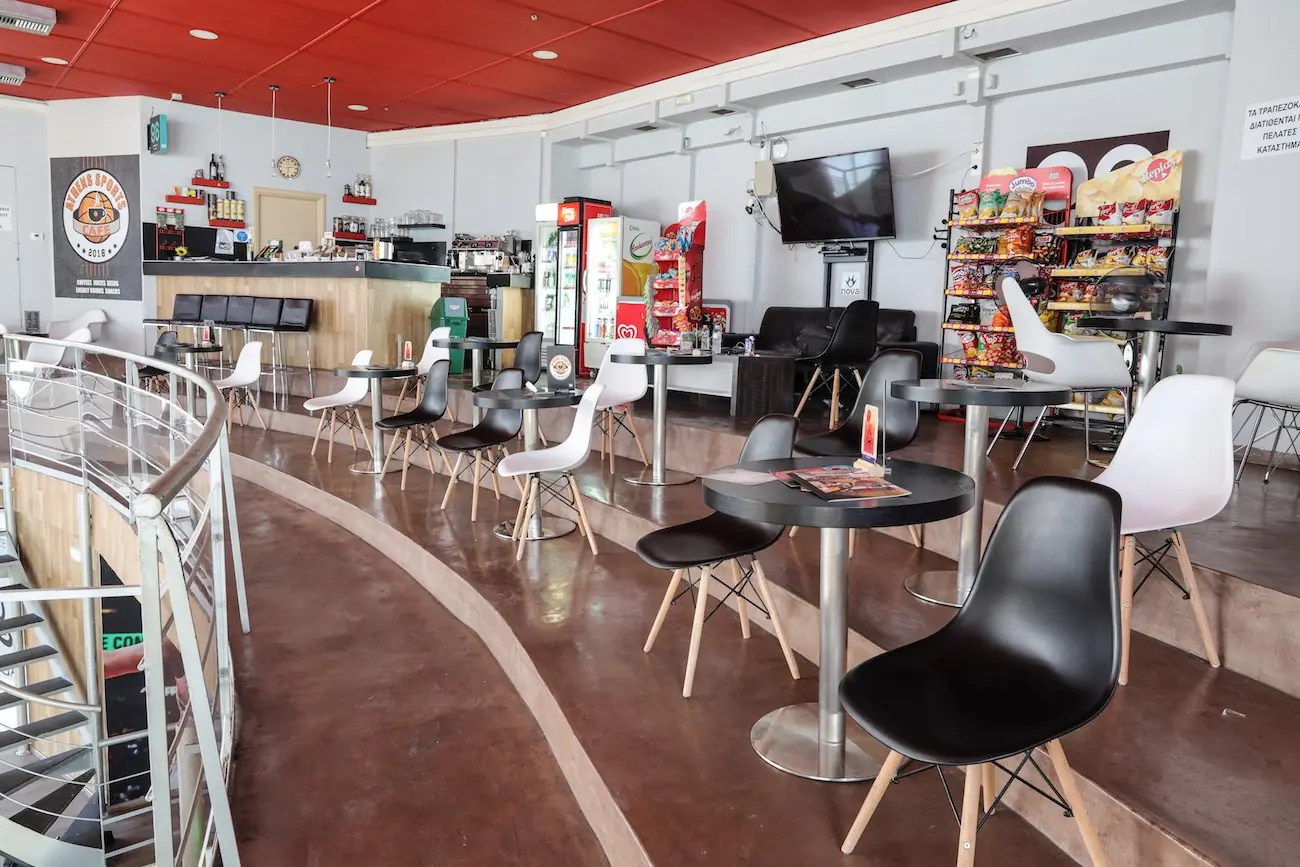
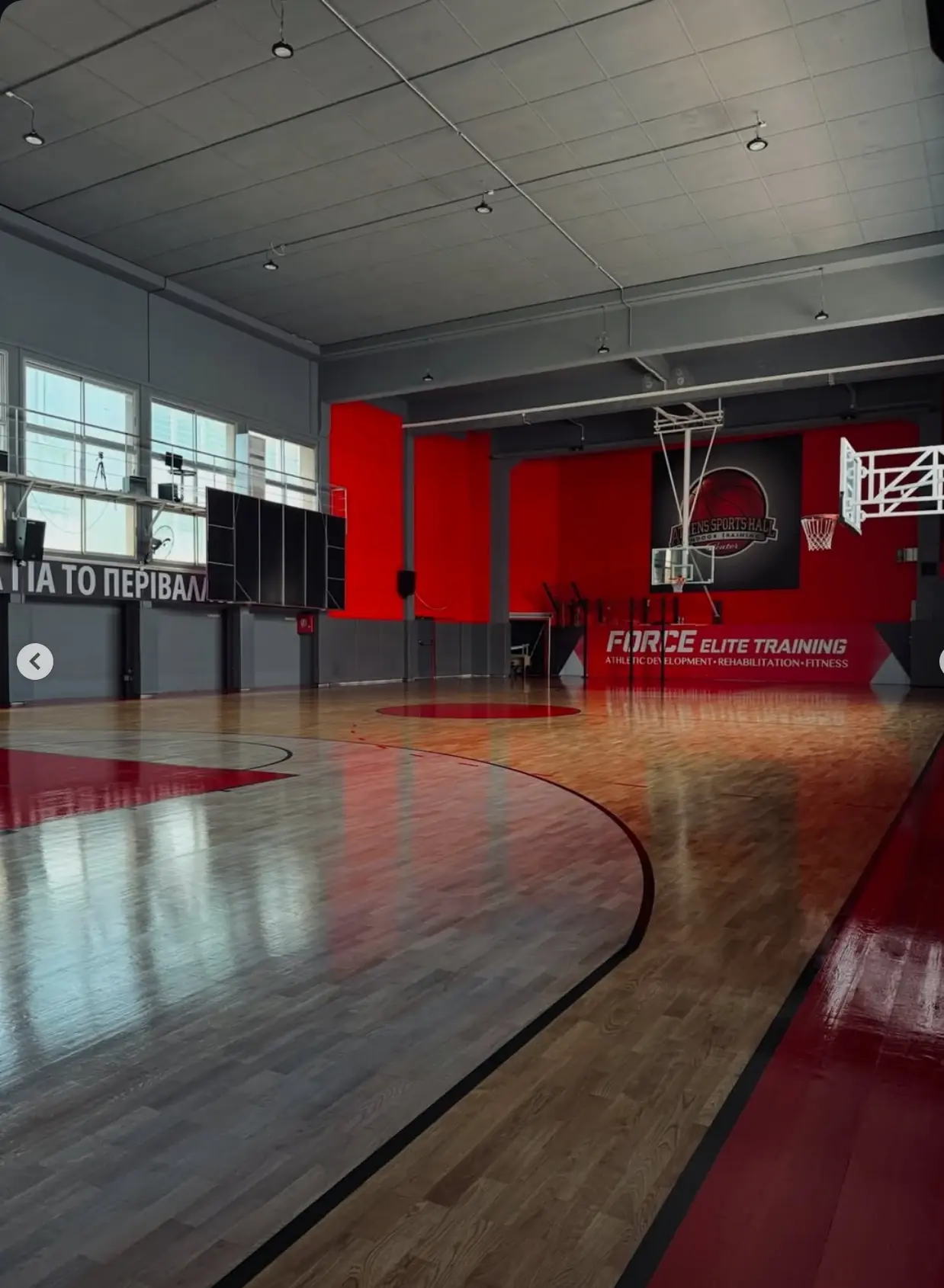
Indoor hardwood, a strength floor, a gym, locker rooms, offices and a café — all in one building in Kolonos, ten minutes from central Athens.
ASH Support
The ASH Support program opens doors off the court: academic and athletic opportunities, exposure to scouts, partnerships with clubs, and job openings for young coaches.
A summer exposure tournament where our athletes play in front of coaches, scouts and representatives of clubs and universities.
Athens Sports Hall training scholarships for athletes who show commitment and potential, regardless of financial means.
A network of partner clubs across Greece for transfers, loans, joint sessions and continuous competitive experience.
Seminars, mentoring and job opportunities for young coaches who want to specialise in developmental ages.
“Training does not build players. It builds habits. Habits build the players.” Achilleas Demenagas — Founder, Athens Sports Hall
The team
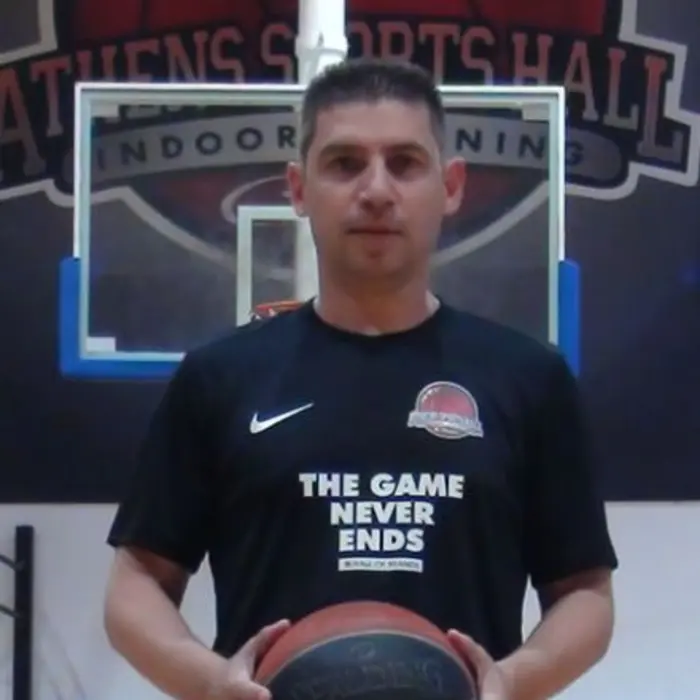
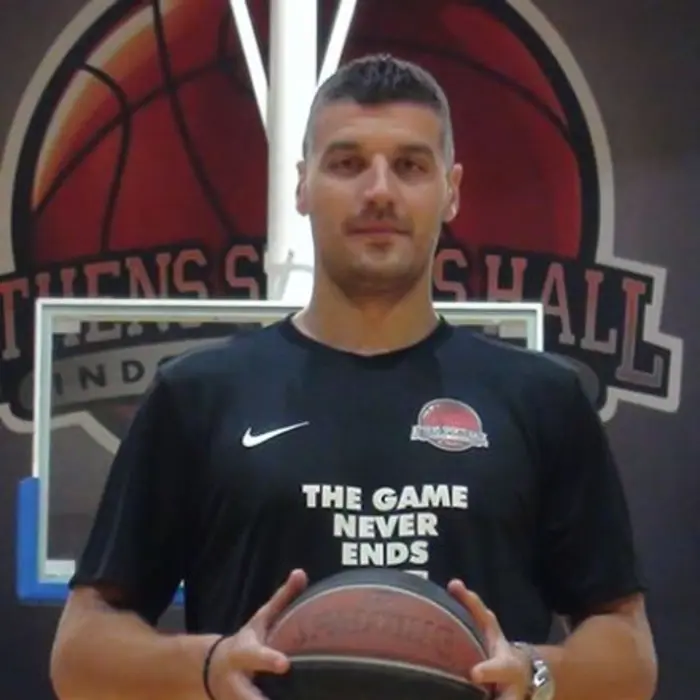
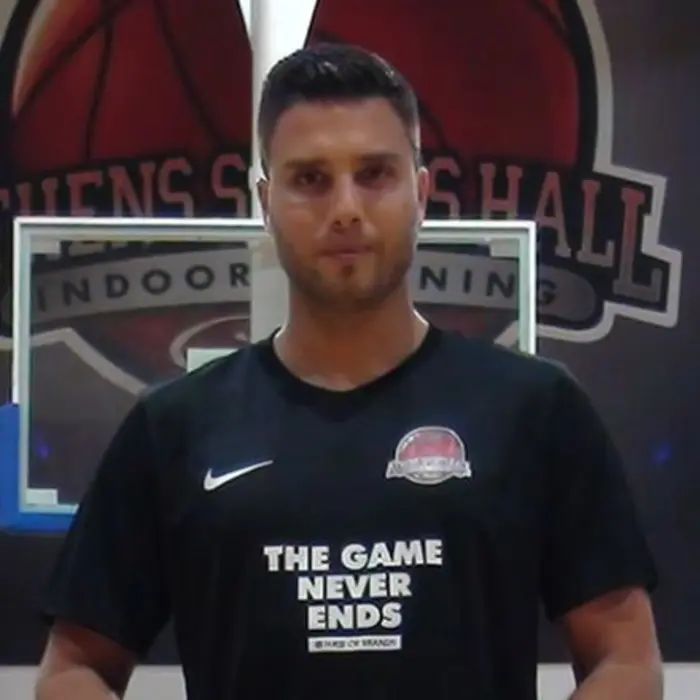
Five coaches with careers across the Greek A1, the EuroLeague, national teams and American universities — supported by doctors, physiotherapists, a psychologist and a dietitian.
Collaborations
Orthopaedic surgeons, physiotherapists, a sports psychologist, a dietitian, statistical analysts and US scholarship specialists.
Specialised development requires a specific order of goals. When a stage is skipped, it leaves deficits that are very difficult to correct later — and often impossible.
Three: physical fitness, technical skill and psychological readiness. A training stimulus produces adaptation — but when load exceeds the capacity to recover, overtraining syndrome appears.
Not with certainty. Body type matters in some sports, but adolescent growth changes it in ways that cannot be forecast. Genetics explain between 30% and 85% of cardiac, muscular and fat-distribution traits, and 70–80% of the response to endurance training — but environment determines whether any of it is expressed.
Motor development is a lifelong process shaped by three factors: the task itself, the child's biology and the environment. Roughly 90–95% of final brain mass is formed by the age of six, which is why we recommend systematic, varied exercise from early childhood — rather than early specialisation in a single sport.
Next step
Our development model and the pillars of our services are presented in a scheduled meeting with the coaching staff. Book a visit and talk to us directly.